
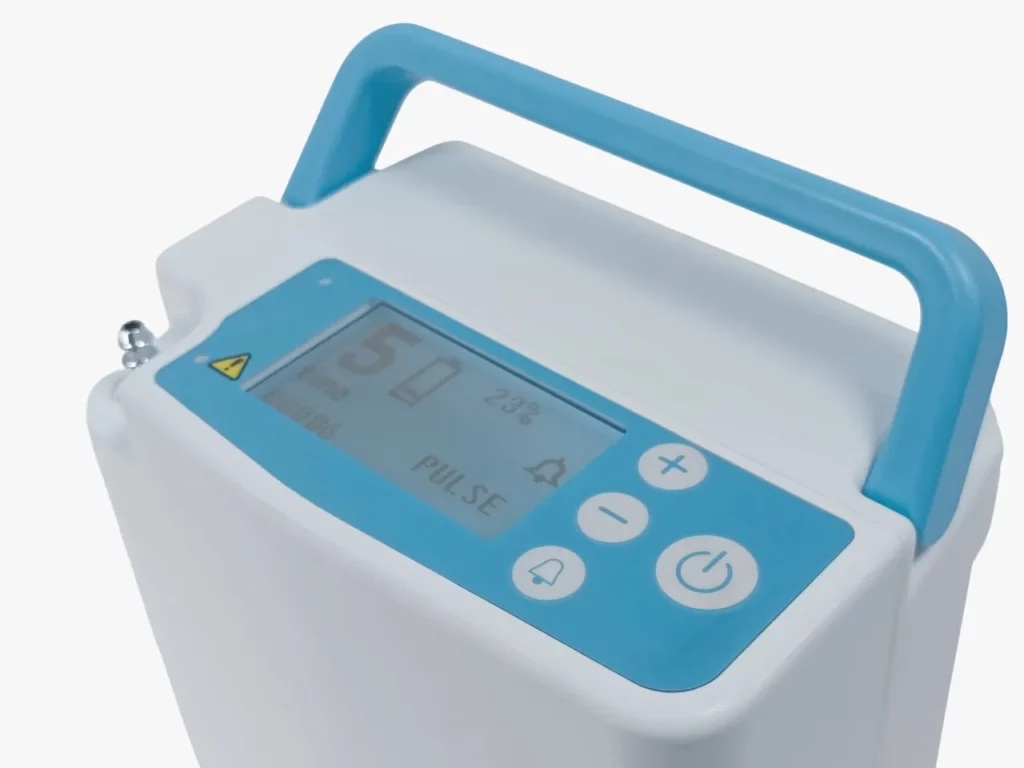
Finding a reliable home oxygen solution is a critical decision for residents in Melbourne managing chronic respiratory conditions like COPD or emphysema. The EverFlo oxygen concentrator has emerged as a gold standard in the Australian market, offering a balance of performance, medical-grade reliability, and cost-efficiency.
Developed by Philips Respironics, this stationary oxygen concentrator is designed to provide continuous flow oxygen without the noise and bulk associated with traditional machines. In this guide, we explore why the EverFlo is the preferred choice for Australian homes and how it simplifies long-term oxygen therapy.
What is the EverFlo Oxygen Concentrator?
The EverFlo oxygen concentrator is a stationary medical device that pulls in ambient air, filters out nitrogen, and delivers purified, medical-grade oxygen to the user. Unlike oxygen cylinders, which require frequent refills and deliveries, the EverFlo produces an endless supply of oxygen as long as it is connected to a power source.
As part of the Philips Respironics oxygen concentrator family, the EverFlo is engineered for durability. It is classified as a “5-liter” machine, meaning it can provide a continuous flow of 0.5 to 5 liters per minute (LPM) with an oxygen purity level of approximately 93% (± 3%).
Key Technical Specifications
| Feature | Specification |
| Flow Rate | 0.5 to 5 Litres Per Minute (LPM) |
| Weight | 14 kg (31 lbs) |
| Sound Level | 45 dBA (Standard) / 40 dBA (EverFlo Q) |
| Power Usage | ~350 Watts |
| Oxygen Purity | 93% ± 3% |
| Dimensions | 58.4 cm H x 38.1 cm W x 24.1 cm D |
Why Choose the Philips Respironics Oxygen Concentrator?
For patients in Melbourne, the Philips Respironics oxygen concentrator offers several distinct advantages over older, heavier models.
1. Ultra-Quiet Operation
One of the most common complaints about home oxygen therapy is the “hum” of the machine, which can disrupt sleep or conversation. The EverFlo operates at 45 decibels—roughly the sound of a quiet refrigerator—while the EverFlo Q model reduces this further to 40 decibels, making it one of the quietest stationary units available in Australia.
2. Significant Energy Savings
Electricity costs in Victoria are a concern for many households. The EverFlo is designed to be highly energy-efficient, drawing roughly 24% less power than its predecessors. For long-term users requiring 15+ hours of therapy a day, this translates into noticeable savings on monthly utility bills.
3. Lightweight and Discrete Design
At just 14kg, the EverFlo is significantly lighter and smaller than traditional concentrators. It features a molded handle and smooth-rolling wheels, allowing users to move the device from the living room to the bedroom with ease. Its non-medical, streamlined aesthetic helps it blend into home environments rather than looking like a piece of clinical hospital equipment.
Benefits of Using EverFlo for Long-Term Therapy
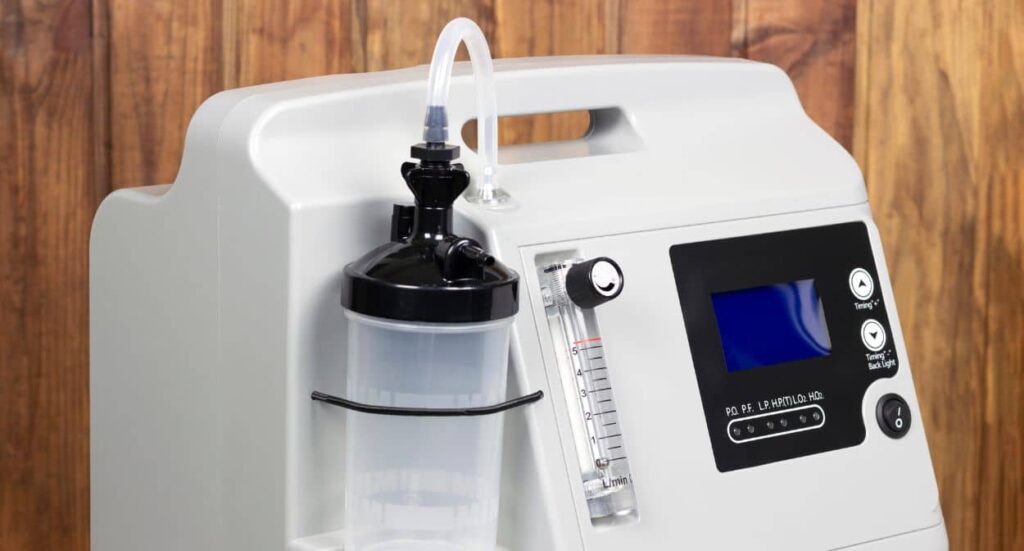
The primary goal of home oxygen therapy is to improve quality of life. The EverFlo achieves this through its “Right Fit” philosophy—providing high-performance oxygen delivery with minimal intrusion.
- Continuous Flow Stability: Unlike portable units that often use pulse-dose delivery, the EverFlo provides a steady stream of oxygen. This is essential for patients who require constant saturation, especially during sleep.
- Built-in Oxygen Purity Indicator (OPI): Most Australian models come equipped with an OPI sensor. This ultrasonic device measures the oxygen output and alerts the user with a light signal if the purity drops below therapeutic levels.
- Reduced Heat Output: Older machines often generate significant heat, which can make a small room uncomfortable in the Melbourne summer. The EverFlo’s advanced internal cooling system keeps the unit—and your room—cooler.
Step-by-Step: Setting Up Your EverFlo in Your Melbourne Home
Setting up your EverFlo oxygen concentrator is straightforward and requires no specialized tools.
- Placement: Position the unit at least 15–30 cm away from walls, furniture, or curtains. The machine needs adequate airflow to prevent overheating.
- Power Connection: Plug the device directly into a wall outlet. Avoid using extension cords, as these can cause voltage drops and trigger alarms.
- Humidifier (Optional): If your doctor has prescribed humidification to prevent nasal dryness, fill the humidifier bottle with distilled water and attach it to the humidifier bottle platform using the velcro strap.
- Connect Tubing: Connect your nasal cannula or extension tubing (up to 15 meters) to the oxygen outlet port.
- Turn On: Flip the power switch to “On.” You will hear a brief beep as the internal diagnostics run.
- Adjust Flow: Turn the flow meter knob until the ball centers on the line prescribed by your healthcare professional (e.g., 2 LPM).
Maintenance and Best Practices
The EverFlo is famous for being “low-maintenance.” Unlike other machines that require weekly filter cleaning by the patient, the EverFlo is designed to be serviced by professionals only once every two years.
User Maintenance Checklist:
- Weekly: Wipe down the exterior of the machine with a damp cloth and mild detergent.
- Weekly: If using a humidifier, wash the bottle with warm, soapy water and rinse with a 1:10 vinegar-to-water solution to prevent bacterial growth.
- Bi-Weekly: Replace your nasal cannula every 2–4 weeks to ensure hygiene and prevent kinks in the tubing.
- Annual Check: Ensure a qualified technician checks the internal filters and sieve beds annually or as per the manufacturer’s warranty guidelines.
Common Mistakes to Avoid:
- Smoking: Never smoke or allow open flames (candles, gas stoves) within 3 meters of the device.
- Blockages: Don’t place the unit on thick carpet or near long drapes that could block the air intake on the back.
- Water Spills: If you use a humidifier, be careful not to overfill it, as water can enter the tubing and reach the patient.
Frequently Asked Questions (FAQ)
1. Does the EverFlo oxygen concentrator require a prescription?
Yes. In Australia, medical oxygen is a regulated therapy. You must have a valid prescription from a GP or Respiratory Specialist indicating the required flow rate (LPM) before purchasing or renting a device.
2. Can I use the EverFlo on a cruise or while traveling?
The EverFlo is a stationary unit and requires a 240V AC power source. While it can be transported in a car boot to a holiday home or hotel, it cannot be used while in motion. For mobility, you would need a portable oxygen concentrator (POC) like the SimplyGo Mini.
3. What do the different lights on the EverFlo mean?
- Green Light: The unit is working correctly and oxygen purity is optimal.
- Yellow Light: Oxygen purity is slightly low; you can continue use but should contact your provider.
- Red Light/Beeping: System failure or dangerously low oxygen. Switch to your backup oxygen tank immediately and contact service.
4. Is the EverFlo covered by NDIS or My Aged Care?
Yes, the EverFlo is frequently funded under NDIS (Assistive Technology) and My Aged Care packages for eligible residents in Melbourne and throughout Victoria.
5. How long does an EverFlo last?
With proper maintenance, these units are known to last between 15,000 to 20,000 hours of operation.
Conclusion: Investing in Your Respiratory Health
The EverFlo oxygen concentrator remains one of the most trusted names in respiratory care across Melbourne. Its combination of a quiet motor, low power consumption, and rugged reliability makes it an ideal investment for anyone requiring long-term oxygen therapy. By choosing a Philips Respironics oxygen concentrator, you are opting for a device that prioritizes your comfort and freedom within your own home.
If you are currently managing a respiratory condition in Melbourne, ensure you speak with a local specialist to see if the EverFlo’s 5 LPM capacity meets your clinical needs.