

How to Use the Aerobika Device: A 5-Step Guide to Maximum Mucus Clearance
Living with chronic respiratory conditions like COPD, bronchiectasis, or cystic fibrosis often means dealing with excess mucus that is difficult to clear. In Australia, the Aerobika Oscillating Positive Expiratory Pressure (OPEP) device has become a gold standard for non-invasive airway clearance.
Understanding how to use the Aerobika device correctly is the difference between a superficial cough and a deep, productive clearance that protects your lung function. This guide provides a clinical-grade breakdown of the 5-step process, focusing on the critical 1:3 inhalation-to-exhalation ratio required for maximum efficacy.
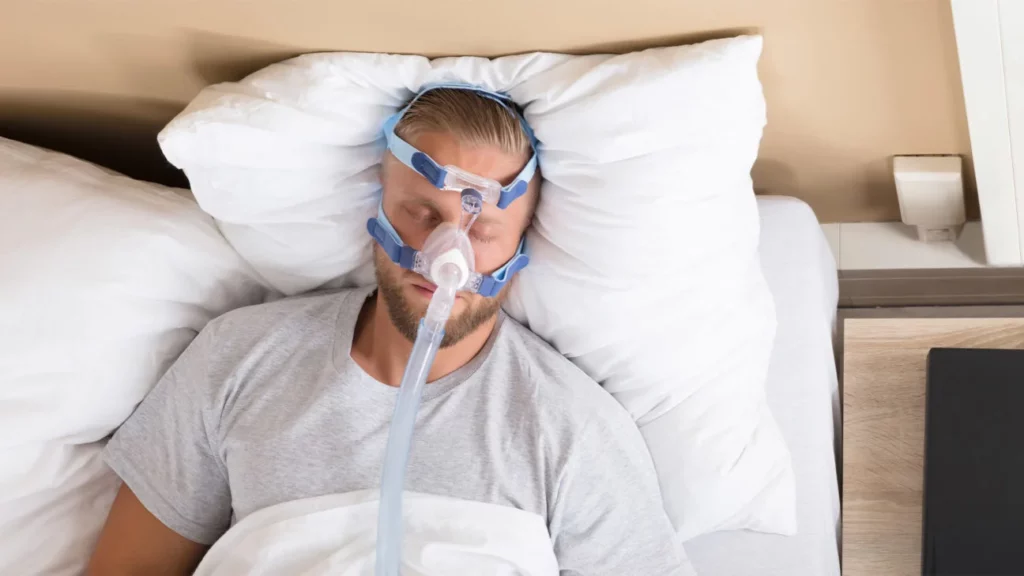
See more: Breathing Made Easy: Why CPAP Therapy Is a Game Changer for Sleep Apnea
What is the Aerobika Device?
The Aerobika is a drug-free, handheld OPEP device designed to open weak or collapsed airways. When you exhale through the device, it creates a pulse of pressure (oscillation) that vibrates the airway walls.
These vibrations loosen the “sticky” mucus from the bronchial walls, moving it toward the larger airways where it can be coughed out easily. For Australians managing chronic lung secretions, this device reduces the risk of chest infections and improves overall breath delivery.
How OPEP Therapy Works
OPEP therapy combines two physical principles:
- Positive Expiratory Pressure (PEP): Keeps the airways open during exhalation, preventing collapse.
- Oscillations: High-frequency vibrations that thin out mucus viscosity.
The Core Technique: Mastering the 1:3 and 1:4 Ratio
Before diving into the steps, you must understand the breathing rhythm. To move mucus from the smallest branches of your lungs, your exhale must be three to four times longer than your inhale.
- Inhalation: A quick, deep breath (approx. 1–2 seconds).
- Exhalation: A slow, steady blow through the device (approx. 4–8 seconds).
Using a 1:3 or 1:4 ratio ensures the oscillations have enough time to travel deep into the lower lobes of the lungs.
5-Step Guide to Using the Aerobika Device
To achieve maximum mucus clearance, follow this structured 5-step framework.
Step 1: Set the Resistance Level
On the back of the Aerobika, you will find a resistance adjustment slider marked with + and – symbols.
- Beginners: Start at a lower resistance (toward the – side).
- Goal: You want a setting where you can maintain a steady exhale for at least 3 to 4 seconds without feeling excessively strained.
- Consultation: Always follow the specific resistance setting prescribed by your respiratory physiotherapist.
Step 2: Correct Body Posture
Sit upright in a supportive chair with your feet flat on the floor. Keep your back straight and shoulders relaxed. Ensure your elbows are slightly away from your body to allow your chest to expand fully.
Tip: Do not slouch. A slumped posture compresses the diaphragm, making it impossible to get the air volume needed for effective OPEP therapy.
Step 3: The Deep Inhalation
Close your lips firmly around the mouthpiece. Take a deep breath in through your nose (or through the device if your clinician suggests).
- Fill your lungs beyond a normal breath, but do not gasp.
- Hold your breath for 2 to 3 seconds. This “inspiratory hold” allows the air to get behind the mucus.
Step 4: The Controlled Exhalation (The 1:3 Ratio)
Exhale through the device with a firm, steady breath.
- Do not blow as hard as you can. Instead, blow with enough force to keep the internal flap vibrating.
- Maintain the exhale for 3 to 4 times longer than your inhale.
- You should feel the “fluttering” sensation in your chest.
Step 5: The “Huff” Cough (Forced Expiratory Technique)
After 10 to 20 breaths through the device, remove the mouthpiece and perform 2 or 3 huff coughs.
- Take a medium breath in.
- With an open mouth and throat, exhale forcefully and quickly—as if you are trying to fog up a mirror.
- This moves the loosened mucus into the throat for final clearance.
Benefits of Regular Aerobika Use
Consistent use of the Aerobika device offers several long-term health advantages for Australian patients:
- Reduced Frequency of Exacerbations: Keeping lungs clear prevents bacteria from settling in stagnant mucus.
- Improved Exercise Tolerance: Clearer airways allow for better oxygen exchange during physical activity.
- Synergy with Medication: Using the Aerobika before an inhaler or nebulizer can help the medication reach deeper into the lungs.
Common Mistakes to Avoid
Even the best medical tools fail if used incorrectly. Avoid these common pitfalls:
- Cheeking the Air: Allowing your cheeks to puff out during exhalation. Keep your cheek muscles tight so the vibrations go to your lungs, not your face.
- Short Exhalations: Exhaling too quickly fails to create the pressure needed to keep airways open.
- Blocking the Exhalation Port: Ensure your hand is not covering the small vents at the top of the device.
- Skipping the Huff: A standard cough is often too shallow. The “Huff” is essential for final clearance.
Cleaning and Maintenance for Australian Users
Given Australia’s varied climate, keeping your device sterile is vital to prevent mold and bacterial growth.
- Daily: Disassemble the four parts (mouthpiece, cover, base, and valve cartridge) and wash in warm, soapy water. Rinse thoroughly.
- Weekly: Disinfect the device by boiling the parts for 5 minutes or using a clinical-grade steam sterilizer.
- Replacement: Most clinicians recommend replacing the Aerobika every 6 to 12 months to ensure the internal valve spring remains calibrated.
Frequently Asked Questions (FAQ)
How many times a day should I use the Aerobika?
Most Australians are prescribed two sessions per day (morning and evening), usually consisting of 10 to 20 breaths followed by huff coughs, repeated for 10 to 15 minutes.
Can I use the Aerobika while lying down?
No. The device is gravity-dependent and works most effectively when held horizontally while you are sitting upright.
Why do I feel dizzy when using the device?
Dizziness usually occurs if you are breathing too fast (hyperventilating). Ensure you take a few normal breaths between each Aerobika breath to maintain your CO2 levels.
Does the Aerobika require a prescription in Australia?
While it can be purchased over the counter at many Australian pharmacies, it is highly recommended to consult a doctor or physiotherapist for a personalized treatment plan.
Can children use the Aerobika?
Yes, children as young as 4 or 5 can often use the device if they are capable of following the “blow” instructions.
Conclusion: Maximizing Your Lung Health
Learning how to use the Aerobika device is a vital skill for anyone managing chronic airway congestion. By focusing on the 1:3 inhalation-to-exhalation ratio and following the 5-step guide outlined above, you can significantly improve your mucus clearance and quality of life.
Consistency is key. Integrate your OPEP therapy into your daily routine—perhaps before breakfast and before bed—to ensure your lungs stay as clear as possible.
Internal Linking Suggestions:
- Anchor Text: “Managing COPD in Australia”
- Anchor Text: “Top respiratory physiotherapy techniques”
- Anchor Text: “How to perform a proper huff cough”
External References:
- Lung Foundation Australia (Expert guidelines on airway clearance)
- Cochrane Library (Clinical efficacy of OPEP devices)