
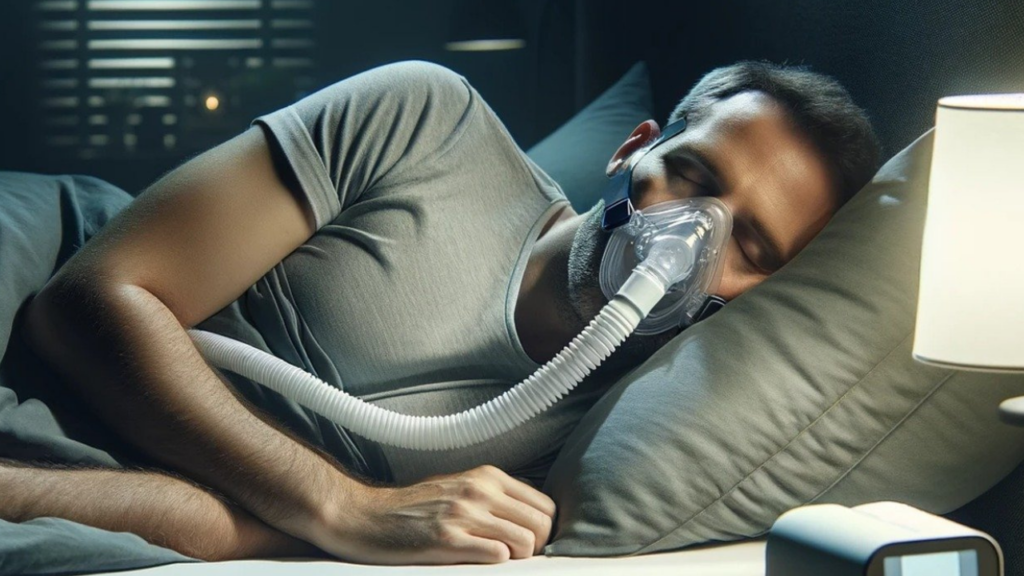
If you wake up feeling tired, groggy, or short of breath despite a full night’s sleep, you may be one of the millions silently battling sleep apnea. This common but serious sleep disorder disrupts breathing throughout the night, leading to poor sleep quality, fatigue, and long-term health risks.
Thankfully, there’s a life-changing solution — CPAP therapy. It’s not just a treatment; it’s a game changer that helps people breathe freely, sleep deeply, and wake up feeling truly refreshed.
Understanding Sleep Apnea: The Hidden Sleep Disruptor
Sleep apnea occurs when your breathing repeatedly stops and starts while you sleep. These pauses—sometimes lasting 10 seconds or more—reduce oxygen levels in the blood and force your body to wake up repeatedly to resume breathing.
Common Sleep Apnea Symptoms
- Loud, persistent snoring
- Gasping or choking during sleep
- Morning headaches
- Excessive daytime sleepiness
- Difficulty concentrating
- Irritability or mood swings
If left untreated, sleep apnea can increase your risk of heart disease, high blood pressure, and even stroke. That’s why identifying and treating it early is essential for long-term sleep health.
How a Sleep Study Helps Diagnose Sleep Apnea
If you suspect sleep apnea, a sleep study (polysomnography) can confirm the diagnosis. During the study, sensors monitor your breathing patterns, oxygen levels, and sleep stages.
The results help doctors determine whether you have mild, moderate, or severe sleep apnea and guide them in recommending the right sleep apnea treatment, such as CPAP therapy.
What Is CPAP Therapy and How Does It Work?
CPAP stands for Continuous Positive Airway Pressure. A CPAP machine gently delivers a continuous flow of air through a mask you wear while sleeping. This air pressure keeps your airways open, preventing pauses in breathing and restoring natural airflow throughout the night.
The Science Behind CPAP Therapy
- Prevents airway collapse: The steady airflow acts like a cushion to keep the throat open.
- Improves oxygen flow: Ensures your body receives enough oxygen during sleep.
- Reduces snoring: Eliminates airway obstruction that causes vibrations.
- Restores deep sleep: Allows your brain and body to enter restorative sleep cycles.
With consistent use, CPAP therapy can dramatically improve sleep quality, daytime alertness, and even heart health.
Real-World Impact: CPAP Therapy Changing Lives
Many people describe their first few weeks of CPAP use as transformative. Imagine waking up without the morning headache, no more complaints from your partner about loud snoring, and feeling genuinely rested for the first time in years.
For example, Sarah, a 45-year-old teacher, struggled with severe fatigue and brain fog due to obstructive sleep apnea. After using CPAP consistently for a month, she noticed she no longer needed her mid-afternoon naps, her mood improved, and her concentration at work skyrocketed.
Stories like Sarah’s are common — proof that CPAP therapy truly restores healthy sleep and quality of life.
Making CPAP Therapy Comfortable: Tips for Beginners
Starting CPAP therapy can feel intimidating at first, but with the right approach, it becomes second nature.
1. Find the Right Mask
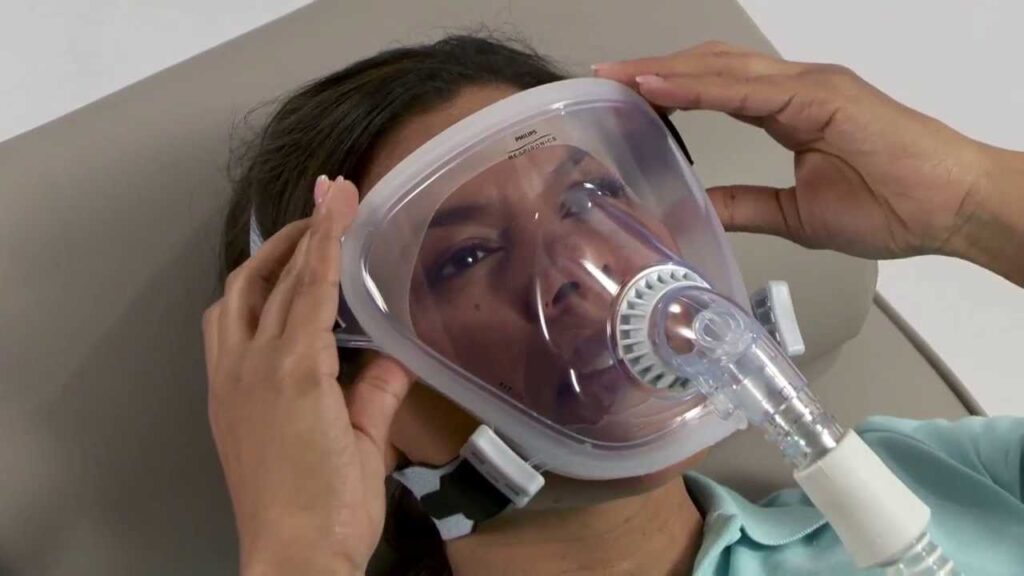
There are three main types:
- Nasal masks (cover your nose)
- Full-face masks (cover nose and mouth)
- Nasal pillows (rest at your nostrils)
Experiment to find which feels most natural and secure.
2. Use the Ramp Feature
Most modern CPAP machines allow the air pressure to start low and gradually increase — helping you fall asleep more comfortably.
3. Add Humidification
A heated humidifier prevents dryness and irritation in your nose or throat, making therapy more soothing.
4. Keep It Clean
Wash your mask and tubing regularly to avoid bacteria buildup and unpleasant odors. Fresh equipment also ensures better airflow.
5. Be Patient
Your body needs time to adjust. Start by wearing the mask for short periods before bed, gradually extending the duration until it feels completely normal.
Common CPAP Challenges and How to Overcome Them
It’s normal to face a few bumps when starting CPAP therapy, but every challenge has a solution.
Mask Fit Issues
- Solution: Try adjusting the straps or exploring different mask styles. A well-fitted mask should seal properly without feeling tight.
Dryness or Irritation
- Solution: Use a heated humidifier or apply nasal saline spray before bedtime.
Air Pressure Discomfort
- Solution: Enable the “ramp” feature or ask your doctor to fine-tune your settings.
Noise Concerns
- Solution: Newer machines are nearly silent. If noise bothers you, place the machine on a soft surface or use earplugs.
Consistency and comfort go hand in hand — once you overcome the initial hurdles, CPAP therapy becomes effortless.
Why Consistency Is Key to Long-Term Success
Skipping nights can undo your progress. Your body depends on steady oxygen flow to function properly during sleep. Regular CPAP use helps your body:
- Maintain stable oxygen levels
- Enter deep, restorative sleep cycles
- Improve heart and brain function
- Reduce daytime fatigue and irritability
Think of it like exercise — the benefits come with regular practice. Make CPAP therapy a non-negotiable part of your sleep health routine.
CPAP Therapy and Its Broader Health Benefits
Using CPAP doesn’t just improve sleep — it supports your entire body. Studies show that CPAP therapy can:
- Lower blood pressure
- Reduce the risk of heart disease and sleep apnea complications
- Improve mental clarity and focus
- Boost energy and mood throughout the day
- Support weight management by reducing fatigue-related inactivity
Simply put, better breathing equals better living.
When to Talk to a Sleep Medicine Specialist
If you’re struggling with your CPAP device — whether it’s mask discomfort, pressure settings, or persistent sleepiness — don’t give up. A sleep medicine specialist can help troubleshoot your issues and ensure you’re getting the most from your therapy.
Adjustments, new equipment, or added accessories can make all the difference between frustration and success.
Final Thoughts: CPAP Therapy Is a Lifeline to Better Sleep
CPAP therapy isn’t just a machine — it’s a pathway to better health, deeper sleep, and a more energized life. By staying consistent, making small adjustments for comfort, and following your sleep study recommendations, you can transform your nights from restless to restorative.
So, if you’re ready to breathe easier, sleep deeper, and live better — CPAP therapy might just be the game changer you’ve been searching for.
FAQS
Using a heated humidifier or nasal moisturizer can ease dryness. Cleaning your mask and tubing regularly helps reduce irritation. Adjust humidity levels or pressure settings to find your ideal comfort zone.
Absolutely. By preventing breathing interruptions, CPAP allows you to reach deep sleep stages. This improves oxygenation, reduces fatigue, and enhances mental sharpness throughout the day.
Make it part of your bedtime routine. Keep your equipment clean, track your progress, and focus on the benefits — better mood, improved alertness, and stronger heart health. With time, it becomes second nature.
Experiment with different mask types or sizes. Adjust the straps to find a balance between comfort and sealing. You can also use mask liners or a CPAP-friendly pillow to ease pressure on your face.